What to know about Barnet council garden waste rules
Posted on 06/11/2026
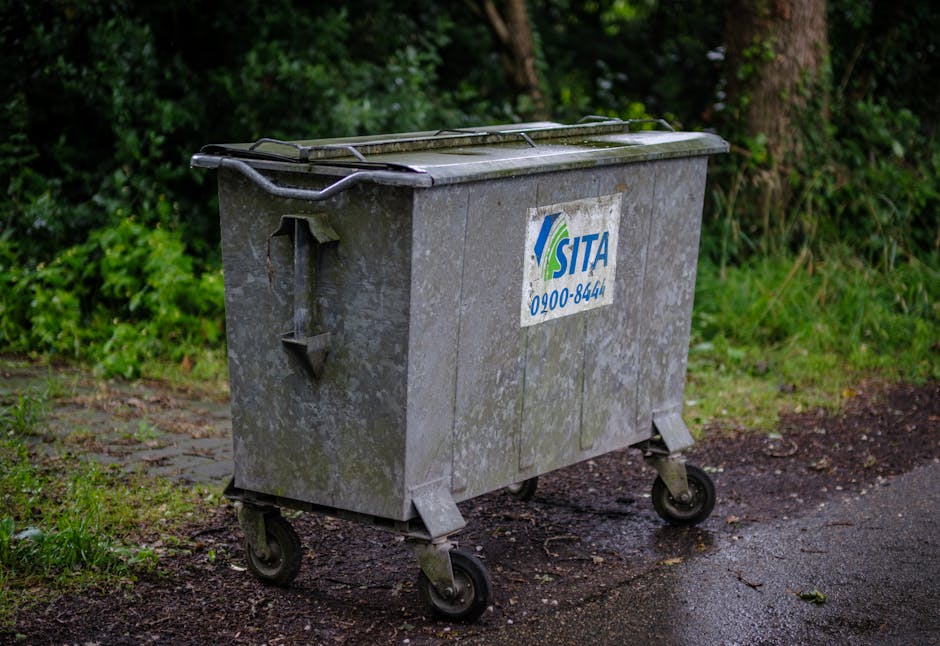
If you garden in Barnet, the rules around garden waste can feel a bit fiddly at first. One week it is hedge trimmings and lawn clippings, the next it is a big pile of leaves after a windy Sunday and you are wondering what goes where. That is exactly why understanding What to know about Barnet council garden waste rules matters: it helps you avoid rejected bins, reduce mess, and keep your outdoor space tidy without extra stress.
This guide explains the essentials in plain English. You will learn how garden waste collections usually work, what residents tend to get wrong, how to prepare waste properly, and when a professional garden tidy-up may save you time. If you are also planning a wider refresh, the practical advice in starting the garden transformation and enriching soil naturally can help you think beyond disposal and make better use of your green waste.
- Why it matters
- How it works
- Key benefits and practical advantages
- Who this is for and when it makes sense
- Step-by-step guidance
- Expert tips for better results
- Common mistakes to avoid
- Tools, resources and recommendations
- Law, compliance, standards, or best practice
- Options, methods, or comparison table
- Case study or real-world example
- Practical checklist
- Conclusion
- Frequently asked questions
Why What to know about Barnet council garden waste rules Matters
Garden waste rules matter for three very simple reasons: convenience, compliance, and cost control. Miss the basics and you can end up with an overflowing bin, contamination problems, or waste that has to be dealt with separately. None of that is dramatic, but it is annoying. And, to be fair, garden waste has a habit of multiplying just when you thought you were nearly done.
For most households, the practical goal is straightforward: make sure grass cuttings, twigs, hedge trimmings, weeds, leaves, and similar material are presented in the way the council expects. If you keep those materials clean and separated, you make collection smoother and reduce the chances of problems.
It also matters because garden waste often ties into broader garden upkeep. A quick seasonal trim can create a surprising amount of green waste. If you are doing bigger jobs such as hedge shaping, patio edge clearing, or a full tidy-up, the waste pile can become the main event. In those moments, local know-how saves time. You might also find it useful to read about hedge trimming techniques and shapes and professional hedge trimming in Barnet if your garden work often ends with a mountain of clippings.
Practical takeaway: the cleaner and more predictable your garden waste is, the easier it is to manage. That sounds obvious, but it is where most problems start.
How What to know about Barnet council garden waste rules Works
While exact arrangements can change, the basic structure is usually familiar to many UK residents. Garden waste collection is often a separate service from household rubbish and recycling. That means it may involve a dedicated bin, a subscription, specific collection dates, or limits on what can go in.
In practice, the system tends to focus on organic green waste only. That usually means material from the garden that can be composted or processed into mulch or soil improver. The key point is that it should be clean and free from contaminants like plastic plant pots, rubble, food scraps, and general household rubbish. A stray label on a plant pot does not sound like a big deal, but councils can be strict about contamination for good reason.
Here is the kind of routine many residents follow:
- Collect garden waste separately during the week rather than mixing it with everything else.
- Let wet grass clippings drain a little before binning them, so the bin does not become a soggy brick.
- Remove soil clumps, stones, plastic ties, and synthetic plant supports.
- Check whether bulky branches need to be cut down before disposal.
- Put out the container or sack only on the correct collection day.
If you are looking after a larger garden, the same logic applies to seasonal work. A spring tidy-up after winter can create dense, heavy material, while autumn leaf fall is lighter but voluminous. A well-planned routine matters more than heroics. Truth be told, garden waste management is one of those jobs where a small system beats a big burst of energy every time.
For ideas on keeping the rest of your outdoor space manageable, low-cost ideas for a maintenance-free garden can help you reduce future waste, not just clear the current pile.
Key Benefits and Practical Advantages
Following local garden waste rules gives you more than a tidy bin. It usually improves the way your garden runs day to day.
- Cleaner outdoor space: waste is moved out regularly instead of building up in corners, sheds, or bags that split after a rainy week.
- Less labour later: if you sort waste as you go, you avoid the dreaded "double handling" at the end of the month.
- Lower contamination risk: clean waste is more likely to be accepted without issue.
- Better seasonal planning: you can schedule pruning, mowing, and clearing around collection days.
- Smarter gardening habits: once you see how much waste a task creates, you start making better choices about plant selection and maintenance.
There is also a hidden benefit: the rules can shape better garden design. For example, dense hedging, fast-growing climbers, and repeated lawn cuts create regular waste streams. If you understand that from the beginning, you can plan how to manage them. A beautiful garden is lovely; a beautiful garden that does not constantly drown you in clippings is even better.
If you are redesigning your space, it may help to look at front-yard landscaping tips and ground cover plants for UK gardens. The right planting choices can reduce future maintenance and waste output, which is something most people only appreciate after a few seasons.
Who This Is For and When It Makes Sense
This topic is relevant if you are any of the following:
- a homeowner with shrubs, lawn edges, beds, or a small patio garden
- a tenant who maintains a private garden or shared outdoor area
- a landlord or managing agent responsible for tidy external spaces
- a keen gardener who prunes, mows, weeds, and composts regularly
- someone planning a seasonal clear-out after winter or before a property sale
It especially makes sense before a heavy gardening weekend. Think late spring hedge cuts, summer lawn work, or that end-of-autumn sweep when leaves seem to appear from nowhere. If you are working around pets, kids, or limited storage, the rules become even more useful because they help you avoid piling waste up in ways that create safety or hygiene issues.
Some households do not generate enough waste to need a dedicated service all year. Others fill a bin every time they trim a hedge. That difference matters. For example, a small ornamental border may only need occasional disposal, while a mature garden with hedges and trees can produce substantial waste with every tidy-up. If that sounds familiar, the advice in fast-growing hedge ideas is useful because hedge choice affects your long-term maintenance load.
Step-by-Step Guidance
If you want to stay on the right side of Barnet council garden waste rules, a simple routine works best. No fancy system. Just a consistent one.
1. Separate green waste at the point of cutting
Keep garden waste apart from the start. When you are cutting grass, pruning shrubs, or pulling weeds, put material straight into the correct pile, bin, or container. This saves time and stops mixed waste from becoming a contamination problem later.
2. Remove non-organic items
Check for things like compost bags, plant labels, metal canes, string, plastic wrappers, and bits of broken pot. Even tiny leftovers can create trouble if they are left in with the green waste. It sounds fussy, but once you get into the habit, it takes seconds.
3. Break down bulky material
Long stems, branches, and hedge clippings are often easier to manage when cut into smaller lengths. This also helps waste fit into the container properly. A bin stuffed with long awkward branches is a classic headache; we have all seen it, usually after a windy Saturday job that got a bit more ambitious than planned.
4. Keep the load reasonably dry
Wet grass and saturated leaves make waste heavy and messy. Letting material drain a little before collection can make a real difference. You do not need to dry everything perfectly, but it helps to avoid a sludge-like mess at the bottom of the bin.
5. Present it correctly for collection
Use the container, bin, or approved method specified for your property. Put it out on time, and avoid overfilling if there is a set lid or capacity. Overstuffed bins are awkward for crews to empty and can lead to missed collections.
6. Handle special materials separately
Some garden clearances include items that are not ordinary green waste. Thick timber, tree stumps, contaminated soil, turf, or mixed construction debris may need separate handling. If in doubt, treat those items as separate from your normal garden waste stream.
For bigger outdoor jobs, especially tree work and major pruning, it can be smarter to combine your garden maintenance plan with a specialist service such as tree surgery in Barnet or general garden maintenance in Barnet. That way, the cutting, clearing, and disposal all line up a bit more neatly.
Expert Tips for Better Results
Here are the small habits that make the biggest difference. Not glamorous, but effective.
- Work backwards from collection day. If you know the pickup is approaching, time your mowing and pruning so fresh waste does not sit around too long.
- Use a leaf tarp or large reusable sheet. It keeps the patio cleaner and makes gathering debris far easier. The sound of leaves scraping across paving is oddly satisfying, until the wind picks up.
- Do smaller clear-outs more often. A little and often approach prevents bin overload and makes the garden feel constantly under control.
- Clip hedge and shrub waste into manageable lengths. It compacts better and reduces sharp poking branches in the bin.
- Think about reusing some waste on-site. Healthy leaves, soft trimmings, and compostable material can often support mulching or composting, depending on what you have and what is clean enough to keep.
- Keep a spare container or bag near your work area. If you are halfway through a job and the main bin is full, you do not want to be wandering around the garden looking for somewhere to dump a heap of wet ivy.
One more thing: if your garden is shaded, exposed, or awkward to maintain, the amount of waste can fluctuate a lot through the year. The advice in creating a weather-resistant garden and effective wind management techniques can help you choose plants and layouts that reduce future cleanup.
Common Mistakes to Avoid
Most problems with garden waste are not complicated. They are small, repeated habits that creep in because people are busy.
- Mixing garden waste with general rubbish: this is one of the easiest ways to create a rejected load.
- Including plastic and non-organic extras: plant pots, packaging, ties, and synthetic materials do not belong in green waste.
- Overfilling the container: if the lid cannot close or material is loose and messy, collection can become difficult.
- Leaving waste out too early: piles can become wet, fly-tipped, or scattered by weather and animals.
- Ignoring bulky items: branches, roots, and woody debris may need a different approach from soft cuttings.
- Assuming all "garden" material is acceptable: soil, turf, and contaminated loads are not always treated the same way as grass and prunings.
A surprisingly common mistake is forgetting that a tidy garden still generates hidden waste. Old labels on plant supports, rotting timber, and dead roots tend to lurk around after a job is mostly done. That last 10% matters more than people expect.
If weeds are the issue rather than prunings, this is where weed control tips come in handy. Fewer weeds usually means less waste, less mess, and fewer repeated jobs. Simple, really.
Tools, Resources and Recommendations
You do not need a shed full of gadgets, but a few sensible tools make garden waste management much easier.
- Heavy-duty garden bags: useful for carrying trimmings from borders, but avoid overloading them.
- Rake and leaf scoop: ideal for autumn clearing and lawn tidy-ups.
- Secateurs and loppers: help reduce bulky branches before disposal.
- Tarpaulin or drag sheet: brilliant for gathering waste without scraping up half the lawn.
- Gloves: basic, but essential when handling thorny clippings or scratchy stems.
- Wheelbarrow or garden trolley: useful if your bin is tucked away down the side return, as it often is in London terraces.
For long-term efficiency, the best "resource" is a better planting strategy. Choose slower-growing shrubs where possible, use ground cover to reduce weeds, and plan hedge work sensibly. You can explore practical planting ideas through basic gardening tips for beginners, herb cultivation at home, and vertical gardening ideas if you are trying to make the garden both attractive and easier to maintain.
If your project includes larger structural work, the service pages for landscaping in Barnet, lawn care in Barnet, or patio cleaning in Barnet may also be relevant. Not because every garden needs all of that, but because a tidy garden often depends on the surrounding surfaces too.
Law, Compliance, Standards, or Best Practice
When garden waste rules are discussed, people often want a single hard answer. The reality is a little more nuanced. Local council services can change, and collection arrangements may differ by property type, service status, or seasonal demand. So the safest approach is to treat council guidance as the final word for day-to-day service details.
From a best-practice point of view, there are a few principles that are widely sensible in the UK:
- Keep recyclable organic waste clean. Mixed loads cause avoidable handling issues.
- Avoid contamination. Plastic, glass, metal, rubble, and household rubbish should stay out of green waste.
- Separate hazardous or awkward material. Tree stumps, treated timber, and construction debris are not ordinary garden waste.
- Follow collection timing. Putting waste out too early can be messy and can attract problems.
If you run a business, manage rented property, or are responsible for a larger shared garden, you should be even more careful. The practical standard is simple: keep records of service arrangements, know what waste stream each material belongs to, and avoid dumping mixed material into the easiest-looking bin. That's the part people regret later.
For any gardening contractor, health and safety also matters. If a team is removing branches, shifting heavy waste, or working near sharp tools, the work should follow sensible risk controls. You can see more about that approach in insurance and safety and the health and safety policy. And yes, the dull bits are the bits that keep things running smoothly.
Options, Methods, or Comparison Table
There is more than one way to deal with garden waste. The best choice depends on how much you produce, how often you garden, and how much time you want to spend hauling clippings around.
| Method | Best for | Pros | Watch out for |
|---|---|---|---|
| Council garden waste collection | Regular household green waste | Convenient, predictable, and suited to routine maintenance | Rules on contamination, capacity, and collection timing |
| Home composting | Leaves, soft cuttings, and manageable organic material | Reduces waste, improves soil, and gives you a useful end product | Needs space, balance, and patience |
| Bagging for later disposal | Short-term tidy-ups and occasional clear-outs | Flexible and easy to organise | Can become messy if bags split or sit too long |
| Professional garden clearance | Large jobs, overgrown gardens, or heavy pruning | Fast, efficient, and less physical effort for you | May cost more than routine self-management |
In a lot of real gardens, the best answer is a mix of methods. Compost the soft stuff, use the council service for the routine waste, and bring in help when the job has grown arms and legs. That balance is often the calmest option, honestly.
Case Study or Real-World Example
Imagine a typical semi-detached garden in Barnet with a small lawn, a mixed border, and a hedge along the rear boundary. In early spring, the owner cuts back dead stems, trims the hedge lightly, and mows the lawn for the first time after winter. The result is not a massive landscaping project, but it still creates a few large bags of material.
At first, the waste is all mixed together: grass in one bag, hedge clippings in another, a cracked plant pot at the bottom of a tub, and a length of plastic tie caught around a branch. Nothing shocking. Just normal life. But when the owner separates everything properly before collection, the process becomes much easier. The green waste goes out cleanly, the non-organic bits are removed, and the garden looks finished rather than half-abandoned.
The really useful lesson? Once that householder starts managing waste properly, they begin to garden differently. They choose one compost area for soft waste, cut hedges more often but in smaller amounts, and use ground cover to reduce weeding. A few months later, the garden is not only tidier. It is easier to live with.
That kind of change is common. Not dramatic, just steady. And steady is usually what wins with gardens.
Practical Checklist
Use this quick checklist before you put out garden waste or start a bigger clear-up:
- Have I separated green waste from general rubbish?
- Have I removed plastic, labels, string, pots, and metal items?
- Are branches and clippings cut down to a manageable size?
- Is the waste reasonably dry and not waterlogged?
- Am I using the correct bin, bag, or collection method?
- Have I checked whether bulky items need separate handling?
- Is everything ready for the correct collection day?
- Would composting any of this material be sensible instead?
- Do I need help from a gardener or clearance professional?
If you can tick most of those off, you are already ahead of the average weekend gardener. No medals, sadly, but your bin will thank you.
Get a free quote today and see how much you can save.
Conclusion
Getting to grips with What to know about Barnet council garden waste rules is not about memorising every detail. It is about building a simple routine: separate your waste, keep it clean, present it properly, and plan your gardening jobs with disposal in mind.
That approach saves time, reduces stress, and makes seasonal maintenance feel less like a battle with the bin. It also encourages better garden habits overall, which is the nice part. You trim a little smarter, tidy a little earlier, and stop waste from becoming the thing that spoils the end of a good day outside.
And if you only remember one thing, let it be this: tidy garden work begins long before collection day. A few small habits now can make the whole year easier. Bit by bit, that adds up.

With his wealth of experience as a gardening manager, Gerard has guided thousands of customers in achieving their ideal garden configurations. His articles highlight sustainable gardening techniques and hassle-free service offerings.