Affordable garden maintenance prices for EN5 Barnet homes
Posted on 12/10/2026
If you live in EN5 Barnet, you already know the garden can be a joy and a bit of a never-ending job. One week it looks neat and welcoming; the next, the lawn has gone a little wild, the hedge has started pushing outwards, and a few weeds have quietly taken over a border. That is exactly why affordable garden maintenance prices for EN5 Barnet homes matter. The right plan keeps your outdoor space looking cared for without turning it into a monthly budget headache.
This guide breaks down what garden maintenance usually includes, how pricing tends to work, where the real value sits, and how to keep costs sensible while still getting reliable results. You will also find practical tips, a comparison table, a real-world example, and a straightforward checklist so you can make a confident decision.
Why affordable garden maintenance prices for EN5 Barnet homes matters
Garden upkeep is one of those tasks that looks simple from the kitchen window and then turns into a full afternoon once you step outside. In EN5, many homes have front gardens, compact back gardens, slopes, mixed planting, or mature hedging that needs regular attention. Small jobs build up quickly: mowing, edging, weeding, pruning, leaf clearance, deadheading, and feeding all take time.
Affordable pricing matters because most households are not trying to create a show garden every fortnight. They are trying to stay on top of it. A sensible maintenance plan should protect your budget and still keep the garden healthy, tidy, and usable. That balance is the real goal. To be fair, it is usually better to maintain a garden steadily than to let it slip and then pay for a much larger rescue job later.
There is another angle too. A neat garden supports kerb appeal, helps protect planting investment, and reduces the chances of avoidable issues like overgrown paths, blocked drainage points, or hedges becoming unmanageable. For many EN5 homes, that is not luxury. It is just sensible house care.
If you are planning wider improvements at the same time, a bit of light reading can help you think beyond basic upkeep. For example, starting a neglected garden transformation can show how maintenance and improvement often work hand in hand, rather than as separate projects.
How affordable garden maintenance prices for EN5 Barnet homes works
Garden maintenance pricing is usually built around a combination of labour, time, garden size, and the type of work being done. The quote may be hourly, per visit, or based on a regular schedule. In practical terms, a small tidy-up visit is very different from a full day that includes hedge cutting, border work, lawn care, waste removal, and patio sweeping.
Most affordable plans are not about cutting corners. They are about matching the service to what the garden actually needs. A good gardener will usually look at:
- the size and layout of the garden
- how frequently it needs attention
- the amount of lawn, hedge, and border work
- whether waste needs to be taken away
- access, parking, and carrying distance
- seasonal demand, especially in spring and autumn
In EN5, access can matter more than people expect. A tidy town garden with easy side access can be quicker to maintain than a larger back garden with narrow entry points and multiple levels. That is one reason two gardens of similar size may still cost differently.
Regular visits often work out better value than one-off clearances, because the work is easier to manage when the garden is kept under control. A lawn that is cut often does not become a problem lawn. A hedge trimmed in good time does not become a ladder-and-loppers job. You get the idea.
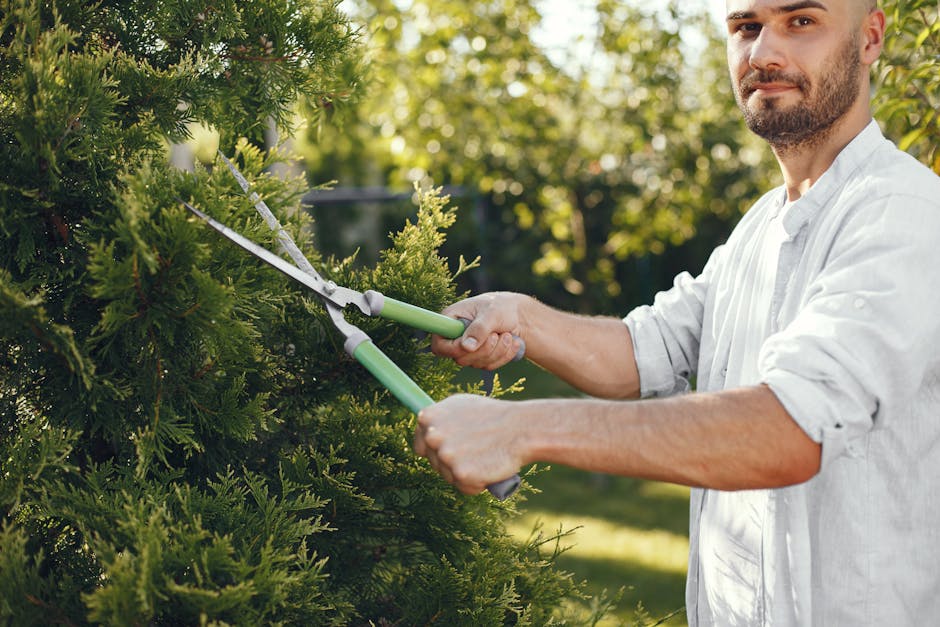
For hedges in particular, there is a useful local reference point here: hedge trimming in Barnet is often one of the core tasks that affects ongoing maintenance cost, especially where privacy and boundary planting are important.
Key benefits and practical advantages
Affordable garden maintenance is not just about saving money today. It is about keeping the whole outdoor space easier to manage month after month.
1. Predictable spending
Regular maintenance helps avoid surprise costs. Instead of facing a huge once-a-year tidy-up, you can spread the work out. That is kinder to your budget and, frankly, less stressful.
2. Healthier plants and lawn
Lawns, shrubs, and borders respond better to routine care. A lawn that is mown correctly and fed when needed tends to stay thicker and greener. Borders that are weeded and mulched regularly usually look better for longer.
3. Better use of your time
There is a real quality-of-life benefit here. If you would rather spend your Saturday in the garden with a coffee than wrestling brambles, regular maintenance is worth serious consideration. That is not laziness. It is choosing where your time goes.
4. Easier seasonal transitions
Spring growth, summer pruning, autumn leaf fall, and winter protection all bring different jobs. Ongoing maintenance keeps these tasks manageable. It also reduces the "where on earth do I start?" feeling when the weather turns.
5. Safer outdoor spaces
Overgrown paths, slippery patios, hidden trip hazards, and low branches are not just untidy; they can become a nuisance or a safety concern. Routine care keeps things clearer and easier to move around.
For gardens that need a more low-fuss approach, it can also help to think ahead about planting choices. low-cost ideas for a more maintenance-free garden can reduce future labour without making the space feel dull.
Who this is for and when it makes sense
Affordable maintenance is a strong fit for plenty of EN5 households, but especially for people who want the garden under control rather than constantly improving it.
- Busy homeowners who do not have the time for regular mowing, weeding, and pruning
- Older residents who want the garden safe, tidy, and manageable without heavy lifting
- Landlords and letting agents who need properties to look presentable between tenancies
- Families trying to keep a garden usable for children, pets, and day-to-day living
- First-time homeowners who are still working out what actually needs doing and how often
- People with mature gardens where hedges, trees, and established shrubs need more regular attention
It also makes sense if you have already invested in the garden and want to protect that investment. Fresh planting, lawn improvements, patio cleaning, and new fencing all look better when the surrounding space is kept in shape.
Sometimes the budget question is really a priority question. Do you need everything done at once, or just the most visible, most important jobs handled well? That distinction can make a huge difference to cost.
Step-by-step guidance
If you want the best value from garden maintenance, a structured approach helps. It is not complicated, but it does make the process smoother.
- Walk the garden properly. Look at what actually needs doing. Lawn, hedge, beds, paths, waste, gutters, and access points all matter.
- Separate regular jobs from occasional jobs. Mowing may be weekly or fortnightly in season. Hedge cutting may only be needed a few times a year. Tree work is usually occasional and sometimes specialist.
- Decide what must be included. A tidy border is one thing; a full clearance, waste removal, and mulch top-up is another. Be clear on the essentials.
- Choose a visit frequency. Weekly, fortnightly, monthly, or seasonal? The right rhythm depends on growth rate and how much you want to do yourself.
- Ask what is covered in the price. Waste removal, materials, and travel time may or may not be included. Ask before work starts, not after. Saves awkwardness.
- Start with a manageable scope. If the garden is badly overgrown, ask for a staged approach rather than expecting one visit to solve everything.
- Review after the first visit. Was the work thorough? Did the plan suit the garden? Good maintenance should feel simple once it is established.
A small example: a homeowner in EN5 with a front lawn, a mixed hedge, and a couple of beds might begin with a monthly visit plus seasonal hedge trimming. That is often enough to stop the garden drifting out of control, without paying for more labour than needed.
Expert tips for better results
If you want affordable prices without sacrificing quality, the trick is to think like a gardener, not just a customer. Little choices make a real difference.
- Bundle jobs sensibly. If the gardener is already there, it is often more efficient to combine mowing, edging, and light weeding in one visit.
- Keep access clear. Moving pots, bikes, and bins out of the way can shorten the job. Sounds obvious, but it helps.
- Use seasonal planning. Hedge cuts, leaf clearance, and lawn care all become easier when scheduled around the natural gardening calendar.
- Reduce the highest-maintenance features. Repeatedly troublesome planting can be replaced with something more resilient. That is not defeat; that is smart design.
- Make edges and borders easier to manage. Sharp edges and clean borders can make a garden look freshly maintained even when the planting is simple.
- Ask about plant health, not just appearance. A quick tidy is useful, but healthy soil and well-timed pruning save money in the long run.
One useful side note: if your garden gets a lot of shade or awkward corners, you can make those areas easier to handle with better planting choices. This piece on evergreen climbers for dark corners is a good reminder that design choices can reduce future maintenance.
Expert summary: The cheapest service is not always the best value. The smartest maintenance plan is the one that keeps the garden on a steady footing, avoids repeat emergency clearances, and fits the way you actually use the space.

Common mistakes to avoid
People often try to save money in ways that end up costing more later. It happens all the time. Nothing dramatic, just practical mistakes.
- Only booking when the garden is already out of control. A rescue job takes longer and is more expensive than routine care.
- Ignoring the lawn. A lawn can look fine for a while, then suddenly it does not. Grass that is cut too short or left too long can become patchy and less healthy.
- Forgetting about hedge growth. Hedges do not politely wait for a convenient weekend. They just keep going.
- Choosing price alone. The lowest figure can mean poor planning, rushed work, or missed detail. Cheap and cheerful is fine, until it is not.
- Not checking waste removal. Clearing clippings and cuttings takes time. If that is excluded, your garden may be tidy but not actually finished.
- Assuming one-off work will keep the garden neat forever. Gardens grow. That is sort of the point.
A slightly messy truth: a garden that has been neglected for six months is rarely fixed by one heroic visit and a biscuit at the end. Usually, it needs a plan. A realistic one.
Tools, resources and recommendations
You do not need specialist knowledge to keep a garden in decent shape, but it helps to understand the basics. The right tools also reduce labour time, which can support more affordable pricing.
Useful tools for regular upkeep
- lightweight lawn mower for small to medium lawns
- secateurs for pruning soft growth and deadheading
- hedge trimmer for simple, regular hedge shaping
- rake and leaf collector for seasonal tidying
- spade and border fork for soil improvement and planting
- garden waste sacks or bins for quick disposal
Practical resources and reading
If you are aiming to reduce future maintenance, these topics are worth exploring:
- weed control that actually holds up
- improving soil naturally
- hedge trimming techniques and shapes
- basic gardening tips for beginners
Those articles are useful because they point toward the kind of garden that is easier to maintain, not just prettier for a week.
Law, compliance, standards, or best practice
For domestic garden maintenance in the UK, the biggest compliance issues are usually practical rather than complicated. That said, good providers should still work safely and responsibly. You should expect sensible precautions around tools, ladders, waste, sharps, and working near property boundaries.
In everyday terms, best practice usually means:
- using equipment safely and in good condition
- wearing appropriate protective gear
- handling hedge cutting and tree work cautiously
- keeping access routes clear for occupants
- disposing of green waste appropriately
- being careful around pets, children, and fragile surfaces
If a job involves trees, large hedges, steep ground, or higher-risk work, it is sensible to use a provider with proper insurance and a visible safety process. That is especially true for anything above routine hand pruning. You do not want guesswork with ladders, basically.
You can also look for clear business practices and policies. It is perfectly reasonable to review pages such as insurance and safety, health and safety policy, terms and conditions, privacy policy, and payment and security before committing to any regular service. That is just sensible due diligence.
Options, methods, or comparison table
There is no single right way to maintain a garden. The best option depends on budget, garden size, and how much you want done for you.
| Maintenance option | Best for | Typical strengths | Possible downsides |
|---|---|---|---|
| DIY only | Very small or simple gardens | Lowest cash cost, full control | Time-heavy, easy to fall behind, can become patchy |
| Occasional tidy-up | Homes that only need seasonal help | Useful for catch-up jobs, flexible | Less consistent, can be pricier if the garden gets overgrown |
| Regular maintenance visits | Busy households and mature gardens | Predictable, cleaner results, easier budgeting | Ongoing expense, even if modest |
| Targeted services only | Gardens with one recurring issue | Good for hedges, lawns, patios, or borders separately | Can miss wider garden needs if used too narrowly |
For many EN5 homes, a mixed approach works best. For example: regular mowing, seasonal hedge trimming, and occasional deeper work like patio cleaning or tree care. That keeps the total spend under control while still making a visible difference.
If your garden includes hard landscaping or a tired outdoor seating area, the maintenance picture changes a bit. You may want to combine upkeep with lighter improvement work from front-yard landscaping ideas or even a refresh to your outdoor social space via garden seating guidance. Not every service needs to be purely reactive.
Case study or real-world example
Here is a realistic EN5-style example. A homeowner has a modest front garden, a medium back garden, one long hedge, and a lawn that gets patchy if left too long. During spring, the borders fill with weeds faster than expected. By early summer, the place still looks usable, but it is edging toward "I should really sort that out this weekend" territory.
Rather than booking a big one-off clearance every few months, they switch to a regular maintenance plan. The first visit focuses on resetting the garden: mowing, edging, weeding, hedge shaping, and clearing away clippings. After that, the visits become lighter and more predictable. The hedge stays manageable. The lawn keeps its shape. The borders stop spiralling.
The real win is not just appearance. It is the feeling of control. The owner no longer dreads stepping outside on a sunny morning and seeing a list of chores staring back. The garden becomes part of the home again, not a background problem waiting to happen.
That is often what affordable maintenance really buys you. Peace, mainly. And a nicer view out of the window while the kettle boils.
Practical checklist
Use this before you request prices or agree a maintenance schedule.
- Identify the main jobs your garden needs over the next three months
- Separate regular tasks from seasonal or specialist work
- Measure or roughly size the garden so you can describe it clearly
- Note access issues, narrow gates, parking, or steps
- Decide whether waste removal should be included
- Set a realistic frequency: weekly, fortnightly, monthly, or seasonal
- Ask if hedge cutting, lawn care, and weeding are priced separately
- Confirm whether the provider is insured for domestic garden work
- Check what happens if weather delays a visit
- Review the service again after the first one or two appointments
If you are also working on making the garden easier to live with day to day, you might enjoy reading about creating balance with zen garden elements or keeping the garden calm and simple. Small design choices can make maintenance much easier.
Conclusion
Affordable garden maintenance prices for EN5 Barnet homes are about more than finding the lowest quote. They are about matching the right level of care to the garden you actually have, the time you actually have, and the result you actually want. A well-priced maintenance plan should feel steady, practical, and honest. No drama. No waste. Just a garden that stays in good shape without becoming a burden.
When the scope is clear, the schedule makes sense, and the work is done regularly, even a modest budget can go much further than most people expect. That is the quiet advantage of smart maintenance. It keeps the small jobs from turning into big ones.
Get a free quote today and see how much you can save.
And if you are still weighing things up, take your time. A garden is meant to support your home, not stress you out. The best plan is the one that helps it feel easy again.

With his wealth of experience as a gardening manager, Gerard has guided thousands of customers in achieving their ideal garden configurations. His articles highlight sustainable gardening techniques and hassle-free service offerings.